
By the time the California Agricultural Leadership Program Class 55 arrived at Seminar 3 at Cal Poly Pomona, we had already explored pressure, connection, belonging, and storytelling. Pomona invited us to go one layer deeper. This seminar offered reflection, and it also delivered practical strategies, shared language, and tools we can return to long after our time together. What made those tools meaningful was a deeper understanding of culture and how leadership change actually happens when both are held together.
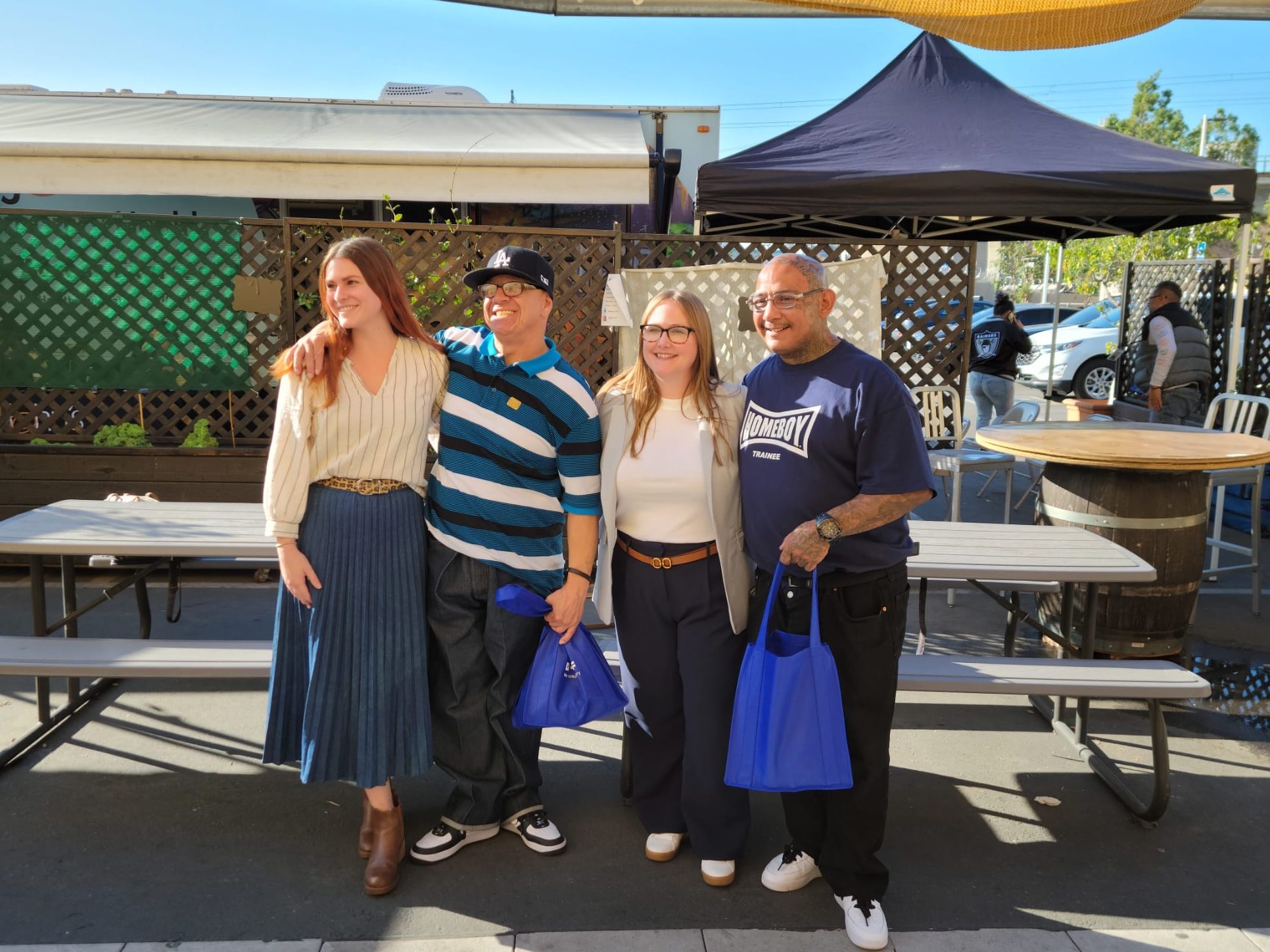
As Peter Drucker famously said, “Culture eats strategy for breakfast.” Over three days, Class 55 explored what that means by intentionally stepping outside our agricultural norms and immersing ourselves in three very different cultural environments: Homeboy Industries, the Newcomers Access Center, and Ability First. Each offered important lessons about leadership, dignity, and belonging.
Culture Change Beats Policy Every Time
One of the clearest lessons from Pomona was simple. You cannot policy your way into strong leadership. Rules, procedures, and compliance matter. Culture determines whether those policies are embraced, ignored, or quietly resisted. Fellows were given language, frameworks, and tools to make culture visible and something leaders can actively shape.
Emma, Class 55
“Food safety culture is a hot topic right now in our ever-changing compliance world. Being given breakdowns, definitions, and tools to help dissect the broad idea of what culture is and how to create and refine it will continue to be a crucial steppingstone throughout my journey of building my business, clientele, and self.”
Emma’s reflection reinforced that culture is not theoretical. It directly affects safety, accountability, and trust in real-world operations.
Drivers, Not Passengers: Taking Ownership Without Needing Control
Another powerful takeaway from Pomona was the concept of driver versus passenger posture, a mindset shift that challenged how many of us view leadership. Being a driver is not about being in charge, holding a title, or controlling direction. It is about choosing not to let life or leadership simply pass you by. Through hands-on exercises, Class 55 explored how this posture shows up in everyday settings. At work. At home. In board meetings. In classrooms. We examined moments where leadership is not obvious and ownership is still required. A driver takes responsibility for the outcome, even when it is not formally their role. A passenger often defaults to, “That’s not my job description.”
These exercises forced us to recognize how often leadership opportunities are missed. Not because we lack authority, but because we hesitate to step forward. Choosing a driver mindset replaces victim thinking with agency and sharpens how leaders show up, even when no one is watching.
Conflict Is Cultural
Another major takeaway from Pomona was reframing how we understand conflict. Conflict is not a leadership failure. It is information. Through posture checks, conflict-style assessments, and guided reflection, fellows examined how personal history, identity, and organizational norms shape responses under pressure. We learned that conflict is often not the result of someone being difficult, but a system asking for attention.
Omar, Class 55
“At Planasa, I look forward to managing how I am a driver and passenger throughout the day. With clear communication with my team I will be able to avoid being a passenger when it’s necessary for me to be a driver in order to get task done.”
Omar’s reflection connects the driver–passenger mindset directly to daily leadership practice and highlights how awareness and communication can prevent small issues from becoming larger ones.

Tommy, Class 55
“As I learn to move from simply caring about people to truly caring for them, I continue to reflect on how I can best support the employees in our farming operation. One meaningful way we have done this is by understanding our individual preferences for handling conflict. By reflecting on my own style and recognizing the preferred styles of others, I believe I can make significant strides in empowering people in ways I had not previously considered.”
Together, these reflections show how culture, posture, and conflict intersect in real leadership settings.
Pomona also challenged us to examine the difference between intention and impact. Many leaders care deeply. Leadership rooted in culture asks whether that care is felt. Through conversations, site visits, and shared experiences, fellows were reminded that leadership is not proven by good intentions alone. It is proven by whether people feel seen, supported, and safe enough to grow. This shift became a defining theme of the seminar.
Showing Up Vulnerable: “Where I’m From” Poems
One of the most meaningful moments of the seminar came not from a lecture, but from each other. Class 55 was incredibly fortunate to be hosted by Dr. Peggy Perry and her husband, Dr. Bob Perry, whose generosity created space for connection and reflection. It was there that fellows shared their “Where I’m From” poems, an assignment many of us approached thinking, “I am not a poet.” And yet, every fellow showed up.
Each poem reflected lived experience, family, memory, and culture. Through those stories, we learned far more about one another than any résumé or title could convey. The poems reminded us that culture is personal. Leadership is relational. Vulnerability builds trust in ways authority never can. We are not only learning more about California agriculture in this program. We are learning more about ourselves.
What We’re Carrying Forward
Pomona did not give Class 55 a checklist. It gave us a lens and tools to return to.
A lens for understanding culture. A lens for navigating conflict.
From agriculture to community leadership and beyond, fellows are already applying these lessons. Not someday. Now.You can write the policy. Culture decides whether it works.

One Response
What wonderful job of distilling all that we experienced and learned in our three days together. I love seeing it all come together in your eyes. Thank you to Class 55 for being “all in” with every step of the way!
Merry Christmas and Happy Holidays!