
There is a quiet holiness in farewells — in the moment between what has been and what will be. This morning, we said goodbye to our friends from Imvelo Safari Lodges and boarded our small bush plane at the Bomani Airstrip, hearts full and eyes wide open. One last game drive carried us through the golden hush of dawn — a final gift from Hwange.


A pride of lions lounged in the soft light, their power tempered by the morning calm. Among them was a young male we’ve come to admire — life has caused him to endure without one back foot, yet he moves with an almost regal confidence. Strength, it seems, is not always loud; sometimes it walks quietly, shaped by adaptation and grace. That young lion seemed to embody something we’ve witnessed all across Hwange — a definition of strength that defies the usual. It’s not the kind that dominates or conquers, but the kind that persists. The kind that adjusts when conditions change. The kind that rebuilds, again and again, without complaint. We saw it in the rangers who patrol long hours under the sun, in the villagers who share water with elephants, and in the team at Imvelo who have turned a conservation effort into a movement of community resilience.


In them — and perhaps in ourselves — we are beginning to recognize that strength and gentleness are not opposites, but partners. One sustains the other. True leadership, like true strength, often lives in restraint: in steady work, in quiet conviction, and in the courage to keep caring when the world doesn’t make it easy. Mark Butcher and his remarkable team have shown us what it means to live with that kind of purpose — to weave conservation, community, and courage into a single act of love. Their work, much like the rhythm of the land itself, reveals that strength can be both powerful and tender, both enduring and joyful. The people of Hwange live with a kind of grace that turns challenge into beauty and effort into meaning — a reminder that the strongest lives are often the ones lived with open hands.
As we lifted from the dirt runway, that lesson lingered with us — a quiet invitation to carry strength lightly and joyfully. To lead with conviction, but also with wonder. To be steady, but not hardened. The word we returned to again and again — whispered in laughter and reflection alike — was simple: enjoy. To rejoice. To be glad. To take delight in the now, and in one another. If the tears shed upon departure were any indication, our hearts were touched at the deepest level. We left Hwange changed — grateful for what we witnessed, and for the quiet strength it awakened in us.
By midday, we arrived in Victoria Falls — a town suspended between mist and memory. Our home for the next few days, the Victoria Falls Safari Lodge, welcomed us with warmth and easy grace. From its open-air deck, we watched impala, kudu, and warthog wander toward the watering hole, their movements unhurried, almost ceremonial. Over a simple lunch presided over by the first heavy rains and of the new season, conversation flowed gently — stories of lions, sunsets, and the small miracles of wild places. The pace here immediately felt different — not slower, exactly, but softer. There was a sense of arrival not just in place, but in rhythm. After the rugged stillness of Hwange, Victoria Falls offered a new kind of energy: vibrant, colorful, and pulsing with anticipation. After a short rest, we set out to see what locals call Mosi-oa-Tunya — The Smoke That Thunders. We could hear the falls long before we saw them — a deep, steady rumble that grew louder with every step. The air turned cooler, the trees shimmered with moisture, and mist rose above the canopy like breath. Then the view opened, and there it was: the Zambezi River dropping suddenly into a vast gorge, the spray rising high enough to create its own weather. Even in a group full of conversation, there was a moment of collective silence. The scale, the sound, the constant motion — it was hard to take in all at once. Cameras came out, laughter returned, and soon we were drenched in the mist, trading smiles that said more than words could.


It’s said that the Zambezi has been carving these cliffs for thousands of years, yet the falls feel alive, as if the process is still underway. Watching the water’s persistence — endless, rhythmic, unhurried — we saw again that strength doesn’t always roar. Sometimes it’s steady. Sometimes it’s patient. Sometimes it simply keeps moving forward, shaping everything it touches.
That evening, we gathered for the Boma Dinner and Drum Show — a lively introduction to Zimbabwean food and music. At the entrance, we were greeted with warm smiles, wrapped in traditional cloths, and painted with small symbols of welcome. Inside, long tables filled the open-air courtyard, fires flickered, and the smell of roasted meats, stews, and spices carried through the night. Dinner was both delicious and fun — an open invitation to try new things and enjoy them together. Between bites, drums began to play, and soon the performers had the whole room involved. One by one, we joined in, following the rhythm with small handheld drums. What started as a performance became a shared celebration — laughter, rhythm, and connection echoing under the night sky. The rhythm built, and so did our laughter. There was something unmistakably human in that shared beat — a reminder that joy and strength often come from the same place. Leadership, too, is about knowing when to step forward, when to listen, and when to simply join the rhythm already in motion.

At this midpoint of our journey, we’ve begun to see that strength and joy are not separate qualities — they’re companions. The lion who moves with calm determination, the river that keeps carving its path, and the drumbeat that gathers strangers into rhythm all tell the same story: that endurance and delight are made of the same material.
True strength isn’t hardened; it’s agile. It bends, adapts, and still finds reason to celebrate. It’s what allows leaders to hold both challenge and gratitude in the same breath — to keep showing up, to keep listening, and to keep finding joy even when the work is demanding. In Victoria Falls, we were reminded that joy is not the absence of difficulty but the evidence of resilience. It’s what fills the space after effort, what steadies the heart before the next step. Strength gives us the will to continue; joy reminds us why it’s worth it. Our time here has shown us that when those two forces move together — the steady and the lighthearted, the powerful and the grateful — leadership becomes something deeper. It becomes human.
Grateful to share in this journey of quiet strength and joyful endurance together,
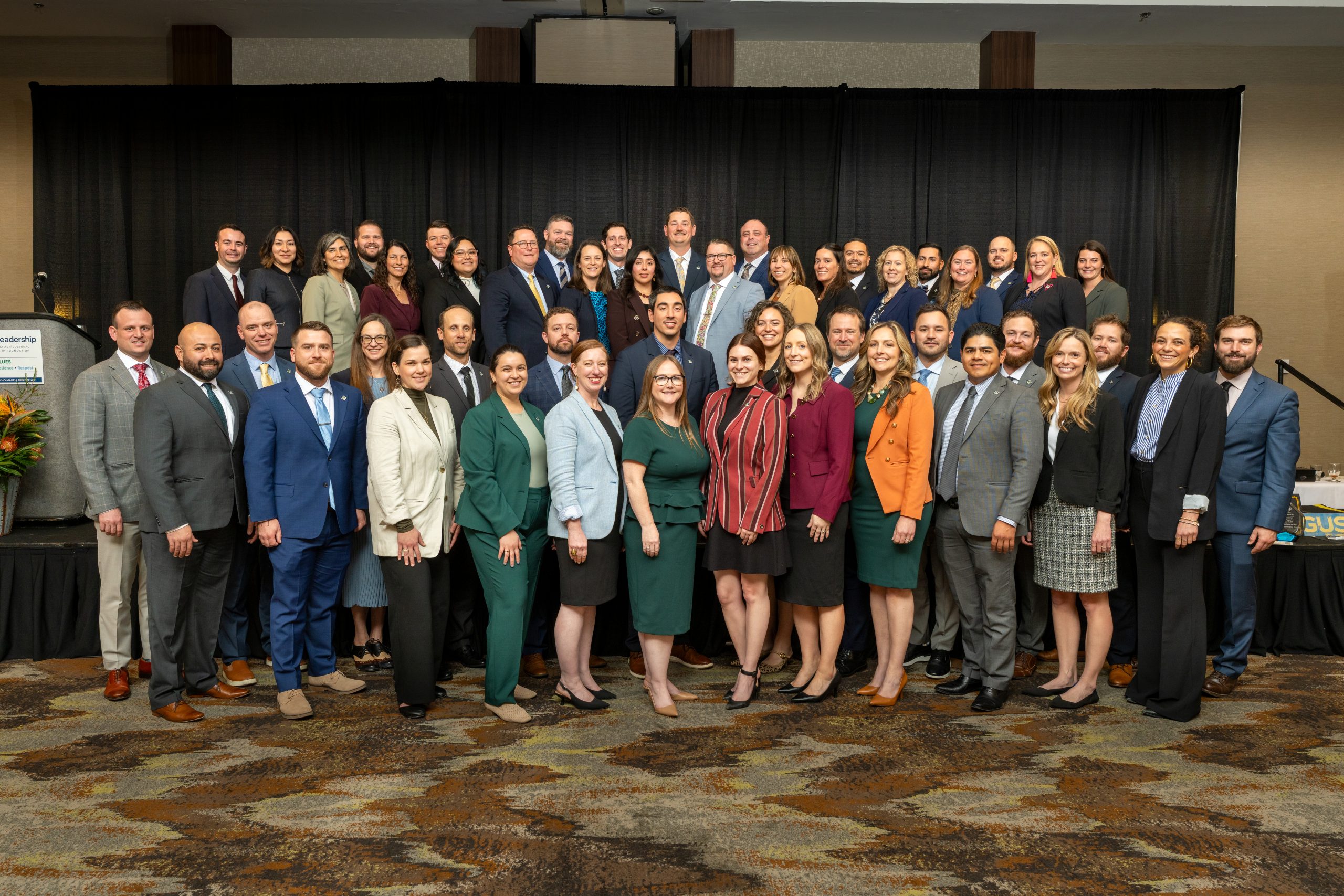
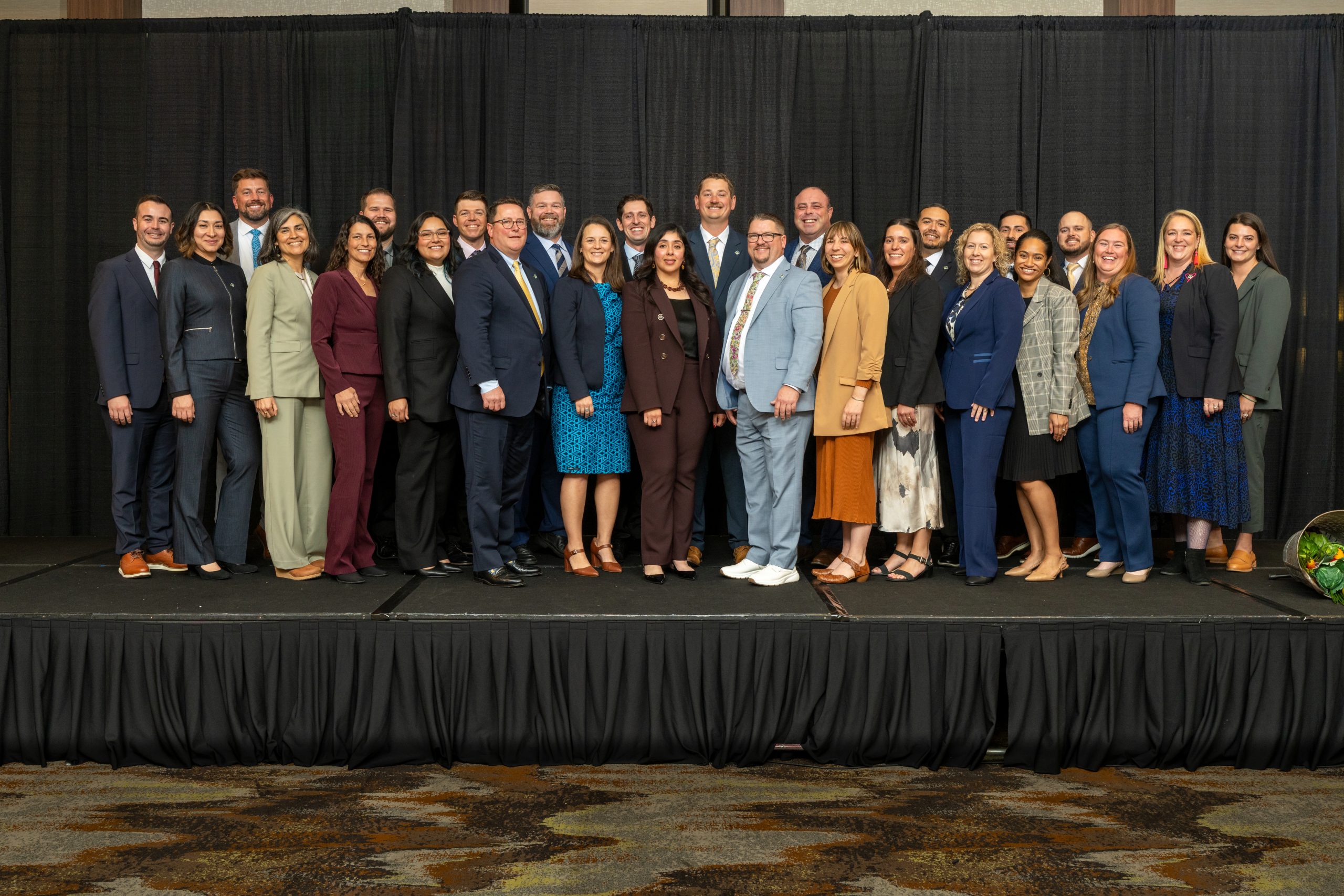
Kelly, Linda, Tony, and Class 54

One Response
Thank you for this wonderful blog. I have so enjoyed following your adventures while simultaneously reminding me of the gifts that CALP gave me just one short year ago.