
We began the morning at Dimbangombe Ranch, home to a bold idea that is reshaping not just land, but mindsets. Founded by Allan Savory and Jody Butterfield through the Africa Centre for Holistic Management, this ranch insists that the story we’ve been told about livestock and land degradation is incomplete. Grazing doesn’t automatically destroy ecosystems; mismanagement does. When animals move across grasslands in ways that mirror nature’s original design—tightly bunched and constantly shifting with predators—they restore life rather than diminish it. Our host, Brent Stapelkamp, welcomed us into a landscape that once showed the scars of erosion, bare soil, and loss. Today, grass now carpets what were once dust plains. Dry riverbeds flow again. Herds graze alongside returning wildlife. The transformation was visible beneath our feet.


Brent pushed us to rethink how we categorize challenges:
Complicated systems can be fixed with the right instructions—like engines or electronics. However, they are hard to adapt.
Complex systems—like ecosystems and human communities—must be stewarded, not controlled. They must adapt.

Holistic management lives in that complexity. Its outcomes—soil regeneration, carbon sequestration, increased biodiversity—are not guaranteed. Timing matters. Context matters. Relationship to community matters. The answers that work here in Hwange’s climate may not translate cleanly to neighboring regions. Progress requires experimentation, humility, and listening to the land. We left with a powerful leadership question resonating: “When we’re responsible for the health of our land and communities, do we try to force outcomes—or do we use our knowledge and experience to steward them wisely?“


From ranchlands to urban rhythms, we traded grasslands for color and creativity at Dusty Road Café—a celebration of Zimbabwe’s heart and humor. Every detail inside the community-run space is made from reclaimed or repurposed materials: bottle-cap chandeliers, oil-can stools, vibrant murals of everyday life. It’s more than a restaurant—it’s a declaration of what’s possible when pride in place becomes a business plan. Here, entrepreneurship strengthens cultural identity. Here, hospitality becomes empowerment. Instead of importing a polished aesthetic, Dusty Road elevates the beauty already present in local neighborhoods. Our meal tasted like home cooking wrapped in ingenuity, reminding us that stewardship also includes the stories, recipes, and rituals that root people to one another. Leadership, too, is cultural. It must honor what people hold sacred.


As the sun slid toward the horizon, we boarded the Zambezi Reflection to close our day. Elephants waded in slow arcs near the riverbank; birds traced the sky like moving constellations. The waters we glided on bear the legacy of Dr. David Livingstone—a figure whose curiosity and conviction shaped how the world came to know this region. Across Africa, post-colonial identity has included the restoration of indigenous names. And yet, the city of Livingstone and Victoria Falls remain exceptions—not as a denial of history, but as an acknowledgment of a complicated legacy: one in which advocacy, partnership, and genuine admiration for the people and places he encountered are also part of the story.
As twilight deepened, we found ourselves asking:
What legacy are we each shaping—intentionally or not?
What will endure because we cared enough to nurture it?
In the end, today wasn’t ultimately about livestock, a restaurant, or a riverboat. It was about responsibility—about what we choose to do with what has been placed in our care. Stewardship is leadership lived quietly. It calls us to tend to what we already have, not just chase what we want next. It invites us to restore what’s been damaged rather than assume it’s beyond saving. It reminds us to lift others up so that success is shared, not hoarded. And it requires us to make decisions that honor the future as much as the present. True stewardship recognizes that the land beneath our feet, the communities we serve, and the culture we inherit are not possessions—they are trusts. We hold them only for a season. What we leave behind—healthier soil, thriving people, strengthened traditions—will tell our story long after we are gone.
With grateful hearts and full minds,
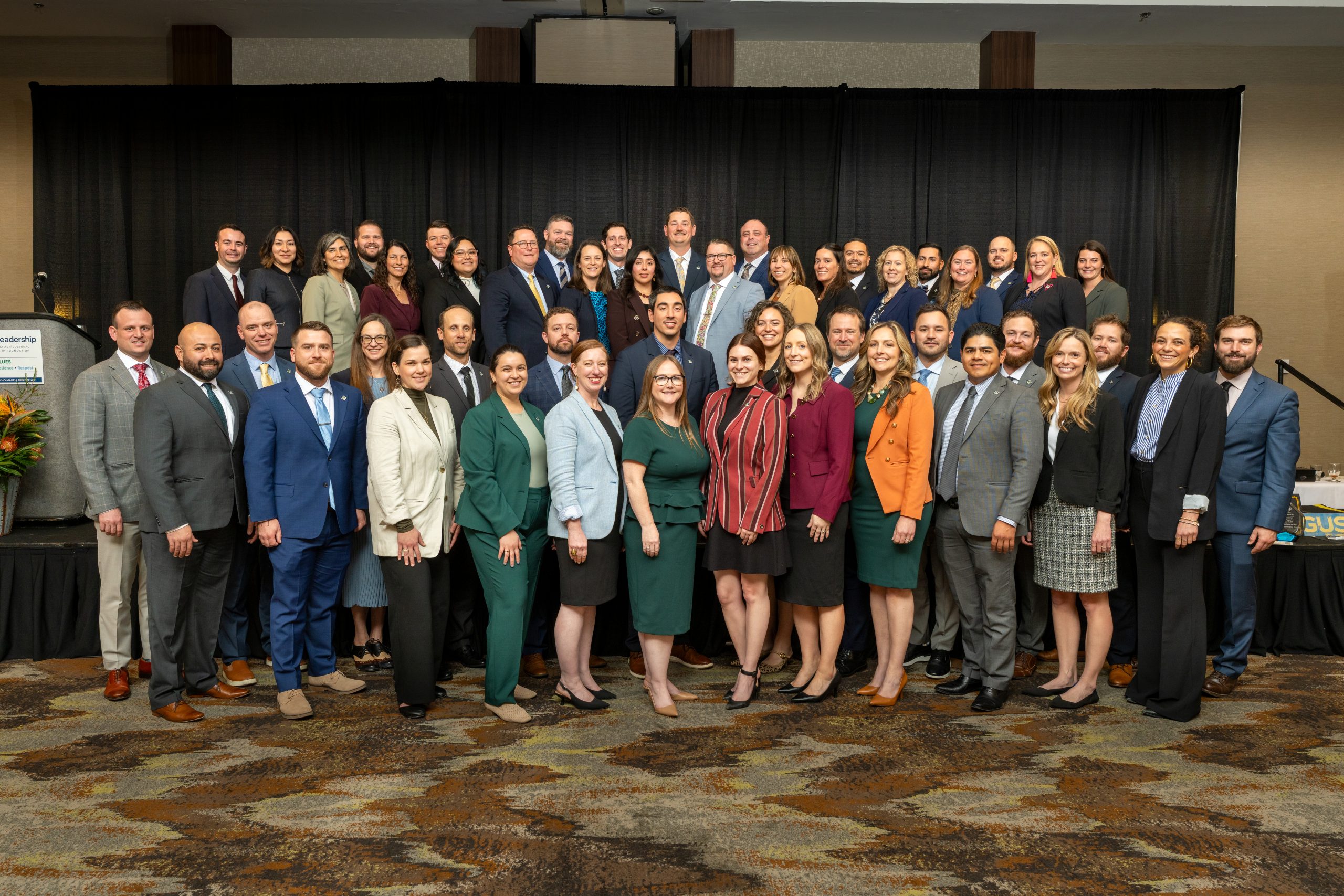
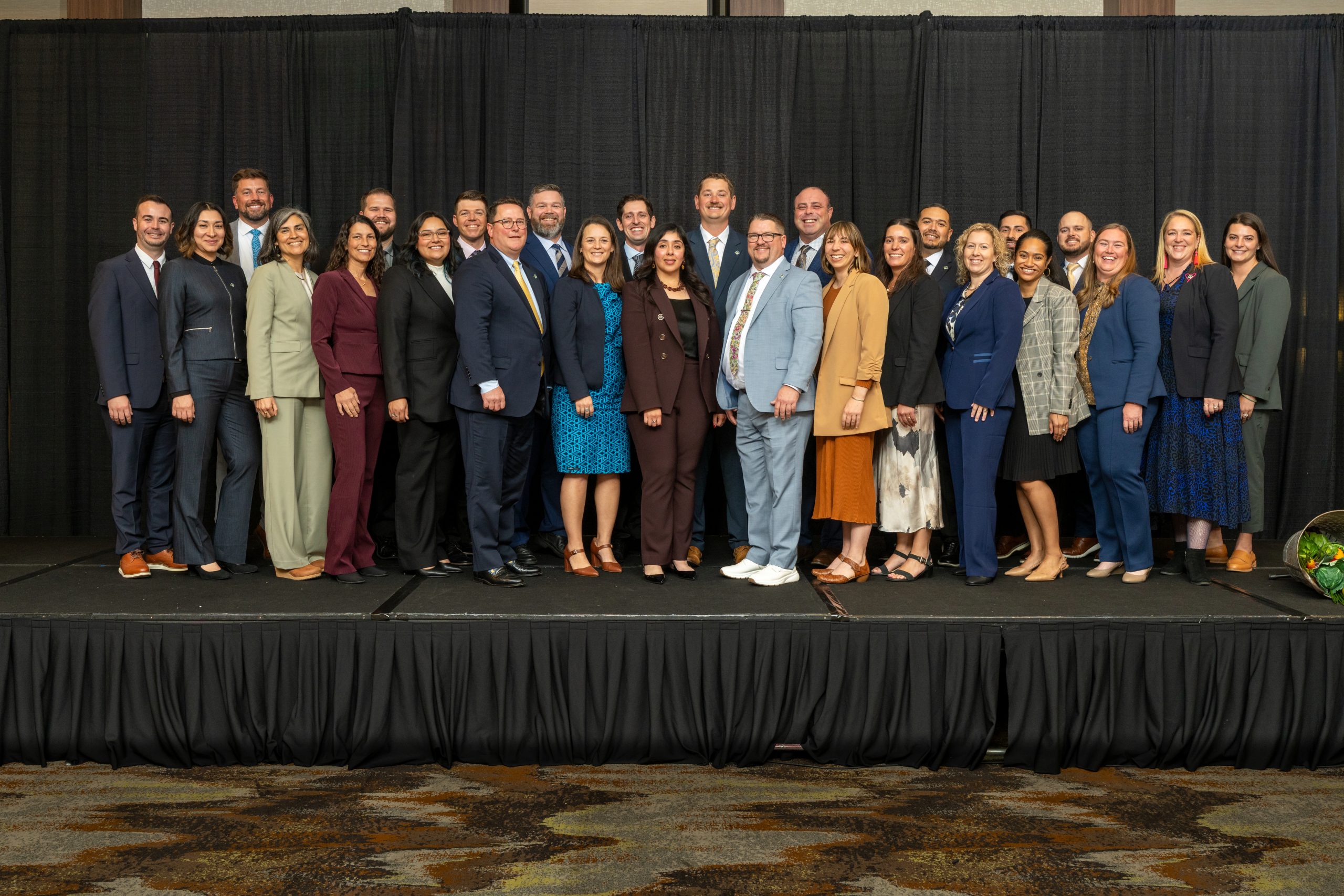
Jake Barcellos, Rachael Laenen, Allison Dericco and Class 54

2 Responses
Where’s the love button on this thing???
Absolutely, love all the blog posts!