
Today offered a fresh reminder that leadership rarely arrives with fanfare. More often, it shows up in the small exchanges that shape how we live alongside one another — the ordinary acts that, over time, become culture.
Crossing from Zimbabwe into Botswana, we experienced one of those quiet lessons. At the border, travelers step through a sanitizing solution to prevent the spread of livestock disease. It’s a simple motion — a few seconds of pause — but one rooted in responsibility to others. Stewardship can be that way: not a grand project, but a practiced awareness that our choices always touch more than just ourselves. As our drive north continued, the landscape seemed to breathe abundance. Wildlife moved freely across open terrain: elephants browsing in the scrub, giraffes stretching above the treeline, antelope darting through sunlit clearings. This region is one of Africa’s great agricultural frontiers, where fertile land and a dependable water table have drawn farmers determined to make a life here.


That evening, we were welcomed by farmers from the Pandamatenga area who spoke candidly about both the promise and the pressure of cultivating in such a dynamic environment. Timing matters. Equipment matters. Rain matters. And when any of those fail, there is no easy backup plan. Fields cannot wait. Yet in the absence of convenience, collaboration grows stronger. They told us about the way mothers in nearby villages organize weekly rotations to support their children at schools nearly two hours away — traveling with them, staying through the week to care for them, then handing the responsibility on to another parent. It’s a shared investment in the future, built not on surplus resources but on collective commitment. Leadership in its purest form: stepping in when something needs to be held.

All week, our class has been anchored in a posture we call Currency — the belief that attention is not incidental or automatic, but a deliberate investment in what we value. When leaders notice with intention, they extend dignity. When they listen closely, they create space for others to step forward with confidence. Through sustained presence — the kind that resists distraction and chooses curiosity — trust takes root. And over time, that attentive presence becomes a quiet but powerful form of influence, shaping how people see themselves, how they participate, and what a community can imagine for its future.
We’ve experienced these truths in countless greetings along the way: the clasp of a right hand with the left arm placed over it; eye contact that lingers long enough to say, I’m here with you; hospitality offered without rush. Each exchange reinforces that leadership is grounded first in presence — in making space for others to feel seen. Botswana has already shown us how deeply communities depend on that kind of care. Just as ecosystems rely on interdependence for survival, human systems flourish when responsibility is shared, not centralized. Progress is sustained not only by strong ideas, but by steady hands willing to carry them forward together.
Tomorrow we continue our journey, encouraged by the truth that small gestures — repeated consistently — can shape the wellbeing of families, industries, and nations. Leadership isn’t always loud. But it is always felt.
In gratitude,
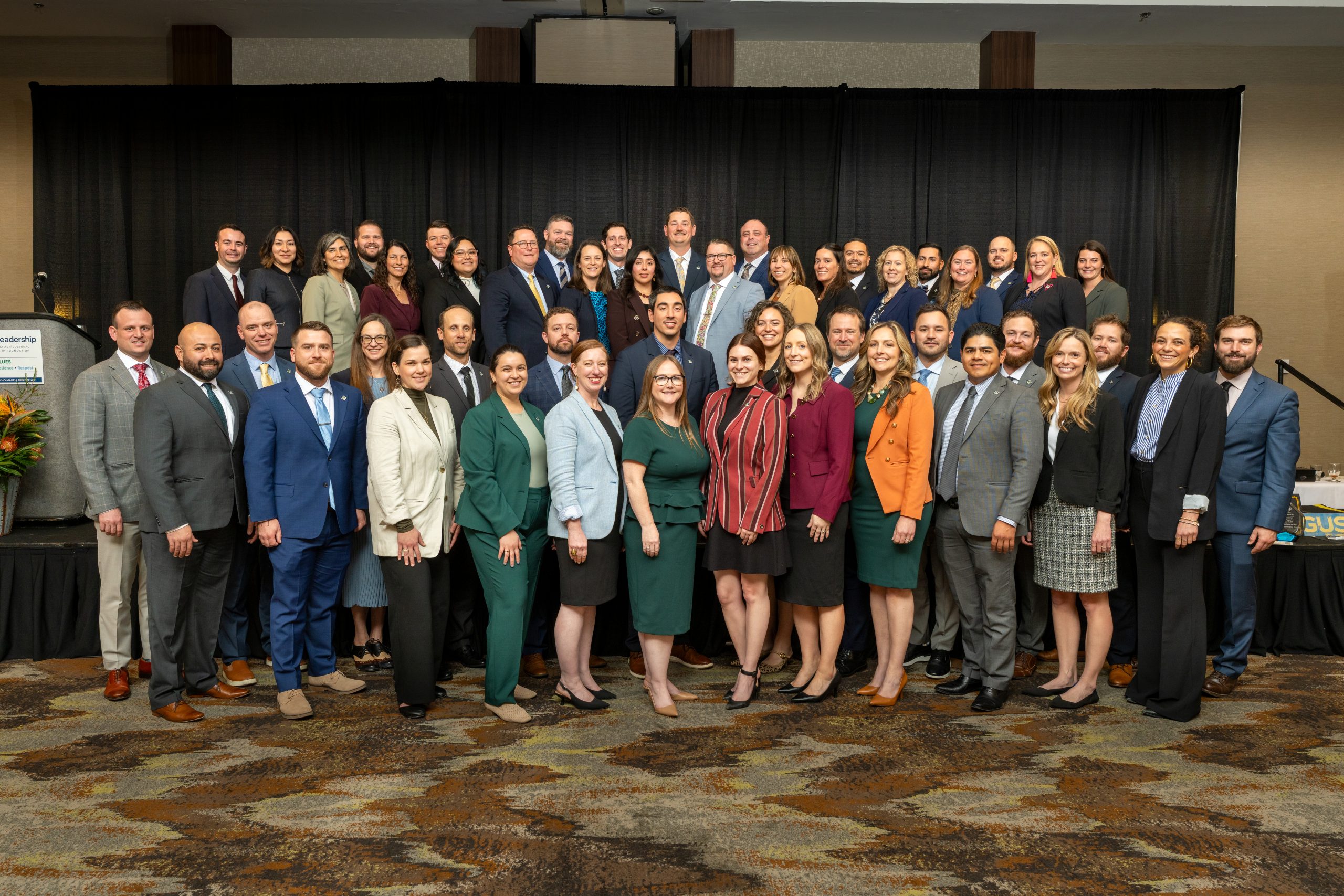
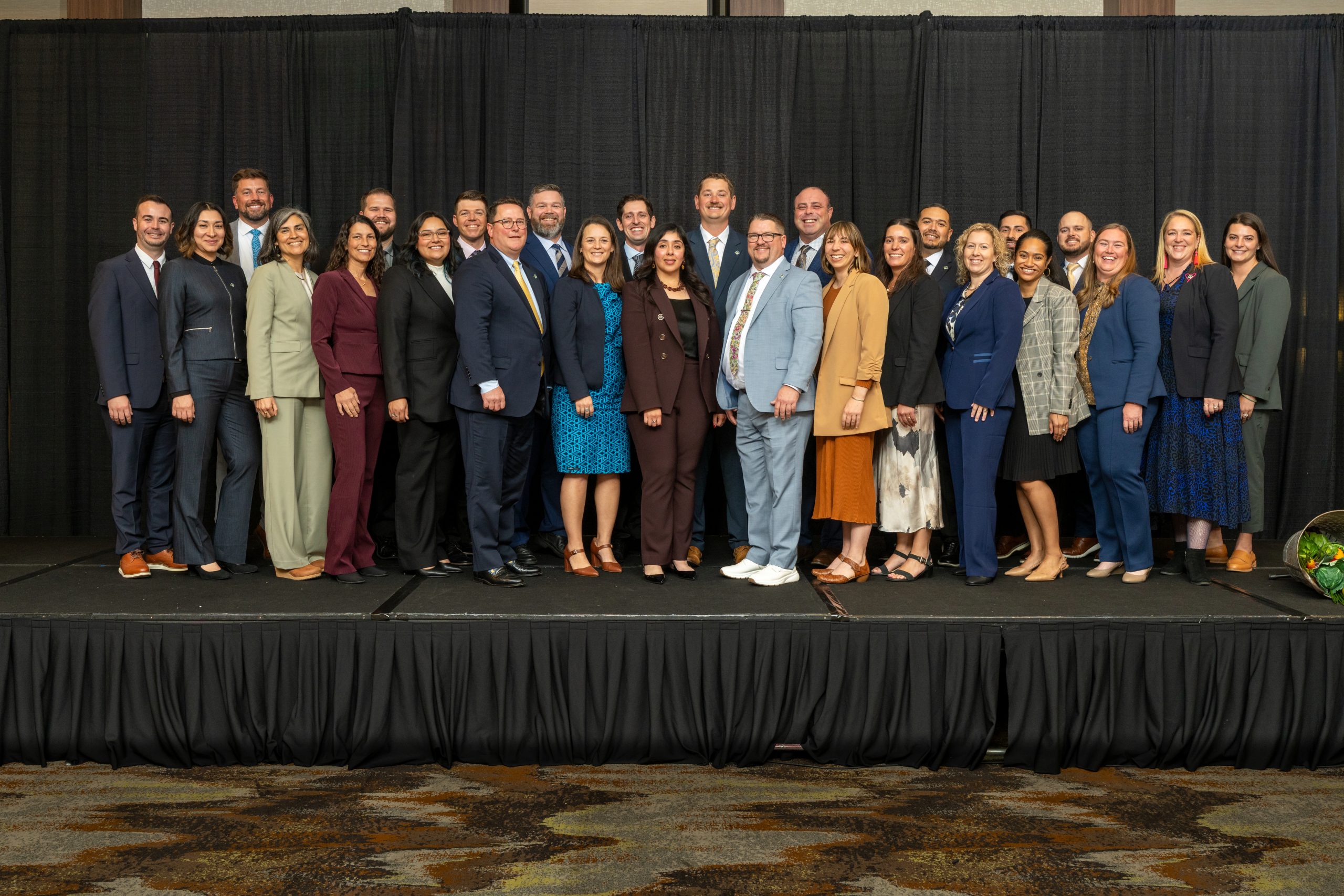
Trevor, Jenny, and Boomer and Class 54
One Response
Thanks for the wonderful post! I love following your journey! I also appreciated the reminder to be more deliberate with my attention in my daily life.