
We rose before the sun—an early rhythm that felt familiar to many of us from our lives in California agriculture. The air was cool with rain on the horizon, and the first light of dawn brushed across the skyline of Pretoria. There was a quiet unity in our small crowd, each person shaking off the fog of travel and reaching for coffee, ready to meet a new day and a new continent.
Our morning began at the Pretoria Boeremark, a lively open-air market pulsing with life, color, and the hum of community. The aroma of coffee, roasted nuts, and fresh baked goods mingled with voices and laughter. Stalls overflowed with local produce, handmade crafts, and the simple generosity of people proud of their work. Afrikaans came first, then English, but the warmth of human exchange needed no translation. In the rhythm of trade and conversation, many of us recognized something familiar—the same devotion we see at our own farmers’ markets back home, where hard work, family, and pride in one’s product are shared languages of humanity. It left us quietly wondering what a marketplace reveals about the values of its people, and what ours might say about us.


From the market, we traveled to the Voortrekker Monument, a massive granite structure rising above the city like a sentinel of memory. Its towering presence tells the story of the Voortrekkers—Dutch for “Pioneers”—who left the coastal British colonies in the 1830s in search of autonomy and self-determination. Our guide reminded us that this monument was not built to divide, but to remember—a reflection of one group’s longing for freedom and endurance in the face of struggle.
Inside its grand, echoing halls, 27 marble friezes line the walls, each carved with scenes from the Great Trek: families gathered around fires, wagons crossing rivers, moments of triumph and loss etched forever in stone. Yet as we walked slowly past each image, we were reminded that history rarely speaks with one voice. The freedom the Voortrekkers sought came at the expense of others—the Ndebele and Zulu peoples who were displaced in their path. Standing in that hall, we felt the tension between heroism and harm, courage and consequence. How does a nation honor its past while also acknowledging the pain it caused? How do we hold reverence for resilience while refusing to look away from the shadows it casts?


At noon each year on December 16, a beam of sunlight passes through the ceiling’s oculus to illuminate the Cenotaph at the monument’s center—inscribed with the words, “Ons vir Jou, Suid-Afrika” (“We for Thee, South Africa”). That small, perfect beam of light feels almost divine, yet it also reminds us that history’s illumination often depends on where we choose to stand.
As we left the monument and gazed out across the city below, the parallels were impossible to ignore. South Africa’s story of migration, conflict, and aspiration echoes in many ways with our own. In the shadow of that granite tower, we were left wondering what monuments we’ve built in our own culture—visible or invisible—and what truths they protect or conceal.
Our afternoon brought a very different kind of reflection at Inyoni Crocodile Estate in the town of Brits, home to more than 12,000 Nile crocodiles raised for leather and meat. The farm’s work is both ancient and modern, rooted in tradition but driven by innovation. Watching the crocodiles feed and listening to our hosts describe their approach to sustainable management, we were struck by how agriculture—no matter where it exists—must constantly balance necessity with responsibility. In the rhythm of that place, we were reminded that leadership often lives in the in-between—between ambition and restraint, between what we build and what we choose to preserve.


As dusk fell and we returned to Pretoria, the day’s images stayed with us: baskets of avocados and handmade breads; the solemn monument and its fractured light; the flash of reptilian eyes breaking the water’s surface. Together, they painted a portrait of a nation both proud and humble, wounded and healing, steadfast and searching. South Africa’s story—like our own—is not one of simplicity, but of persistence through paradox. It asks us to listen more deeply, to stay curious about what lies beneath the surface, and to see that leadership is as much about awareness as it is about action.
Tomorrow will bring new perspectives. But tonight, we rest with gratitude—for the generosity of those who welcomed us, for the lessons carved into stone and soil, and for the invitation to let this experience reshape how we see ourselves, our work, and our place in the world.
With gratitude,
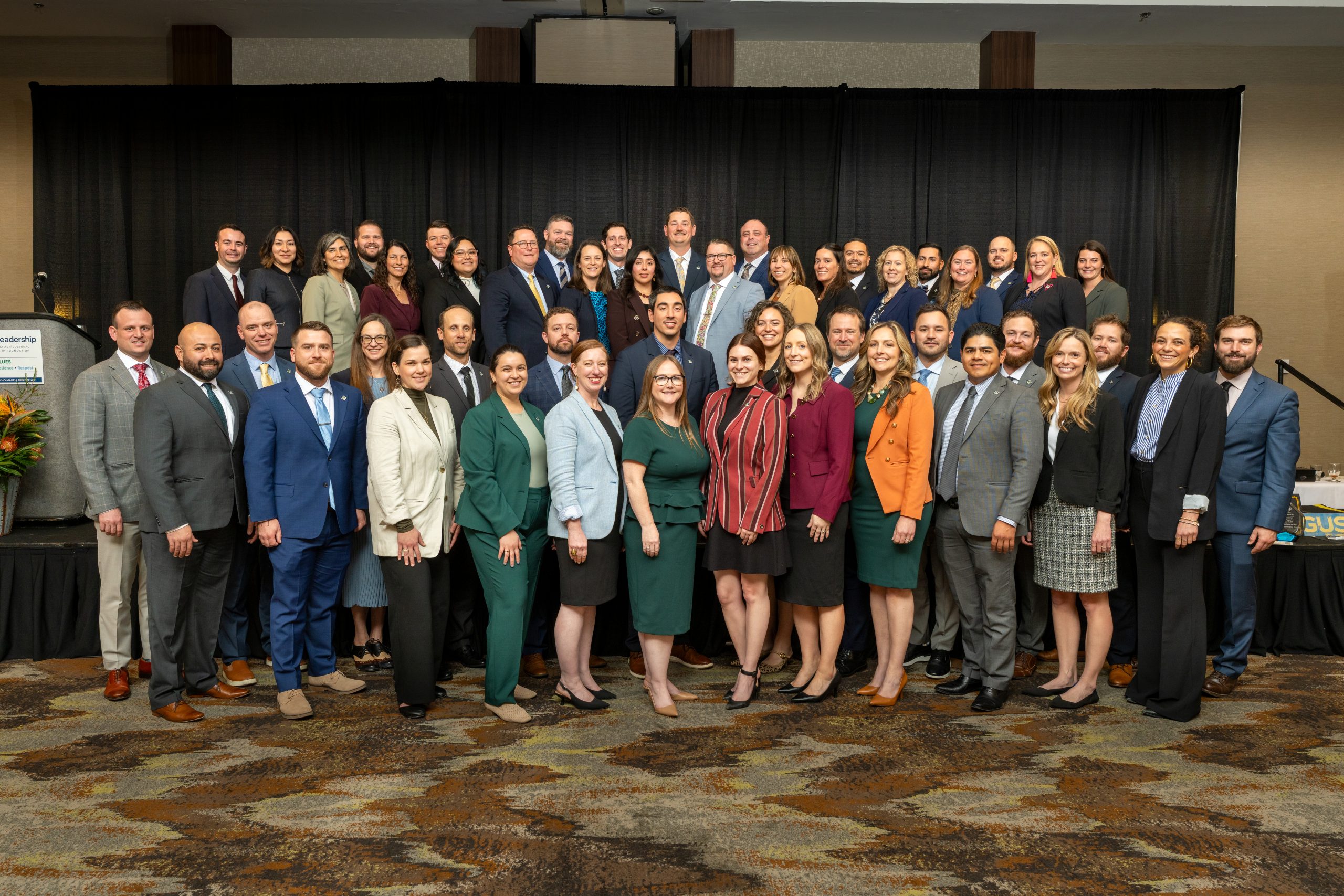
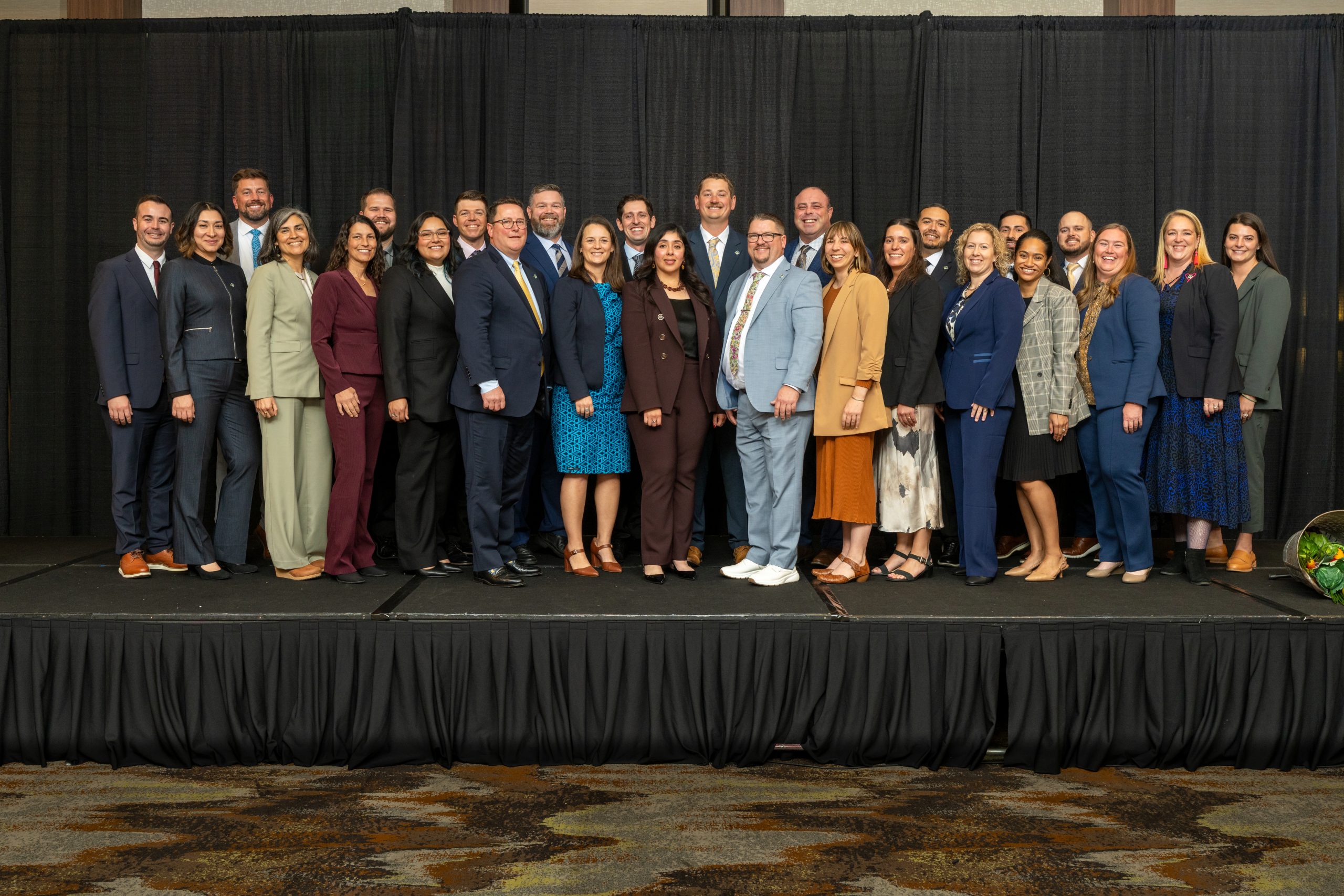
Hunter, Consuelo, Trevor and Class 54

9 Responses
Beautifully written, thank you for sharing your day so vivid and eloquently.
Thank you for sharing your experience. Beautiful writing evokes the wonderful imagery and experiences. Treasure every moment… your international trip will go too fast. Stay present.
So cool about crocodile production! Thanks for sharing!
What a wonderful balanced recap. Thank you for providing a beautifully written share.
Loving the snippets of your days, thank you for bringing us along for the journey
Does the “after while crocodile” joke work there too? Great share! Love following along.
I’m so excited for you all! Just seeing these blogs floods back so many wonderful memories of our trip. I can’t believe it’s been a year. Soak it up and when you get tired stay present as it goes by fast.
Beautiful! Can’t wait to read about the rest of the trip!
Beautiful day depicted in your blog. Ever since our own international trip I take time to learn about local monuments as i travel and in my community. So much history patiently waiting to be witnessed.