
Today’s experiences in Johannesburg were powerful and eye-opening. The day began with a city tour that revealed the city’s many contrasts—modern developments and jacaranda-lined neighborhoods in Sandton just miles away from the crowded streets and informal settlements of Alexandra. It was a vivid reminder of how progress and inequality can coexist within the same landscape, and how history continues to shape present realities. Alexandra, is a township that forms part of the city of Johannesburg and is located next to the wealthy suburb of Sandton. In 1912, Alexandra was proclaimed as a so-called “native township” and it was one of the few urban areas in the country where Black people could own land under a freehold title. Alexandra is also known as the Black City because the area was denied electricity during the apartheid era and is characterized by high rates of poverty. Sandton on the other hand is a financial and commercial hub, often called Africa’s richest square mile.


Our visit to Constitution Hill was one of the most impactful moments of the trip so far. We visited the Old Fort Prison where so many including Nelson Mandela and Mahatma Gandhi were once held. Standing in the former Number Four prison brought the lessons of justice and human rights into sharp focus. The site now serves as South Africa’s Constitutional Court, a space where the nation’s laws are shaped upon the very foundations of its painful past. The deliberate use of the old prison bricks in constructing the court is a powerful metaphor: building democracy upon remembrance. It was a profound lesson in resilience, transformation, and the enduring pursuit of justice.


The Apartheid Museum deepened this reflection. Through powerful visuals, stories, and artifacts, it traced South Africa’s journey from institutionalized racism toward freedom. The Nelson Mandela wing offered a deeper look at Mandela’s life, leadership, and legacy. He was a real life example of our thermostat posture and changed the temperature and direction of the country. Experiencing the timeline of apartheid while realizing it occurred during our own lifetimes when other parts of the world were celebrating milestones like the moon landing made the weight of the injustice even more real.
True leadership, like water, stays pure in purpose and clear in delivery. What we witnessed at Constitution Hill reminded us that leadership is not about power or recognition — it’s about service rooted in clarity and conviction. Its essence doesn’t change; only the form does, shaping itself to meet people where they are with hope and purpose.


With Gratitude,
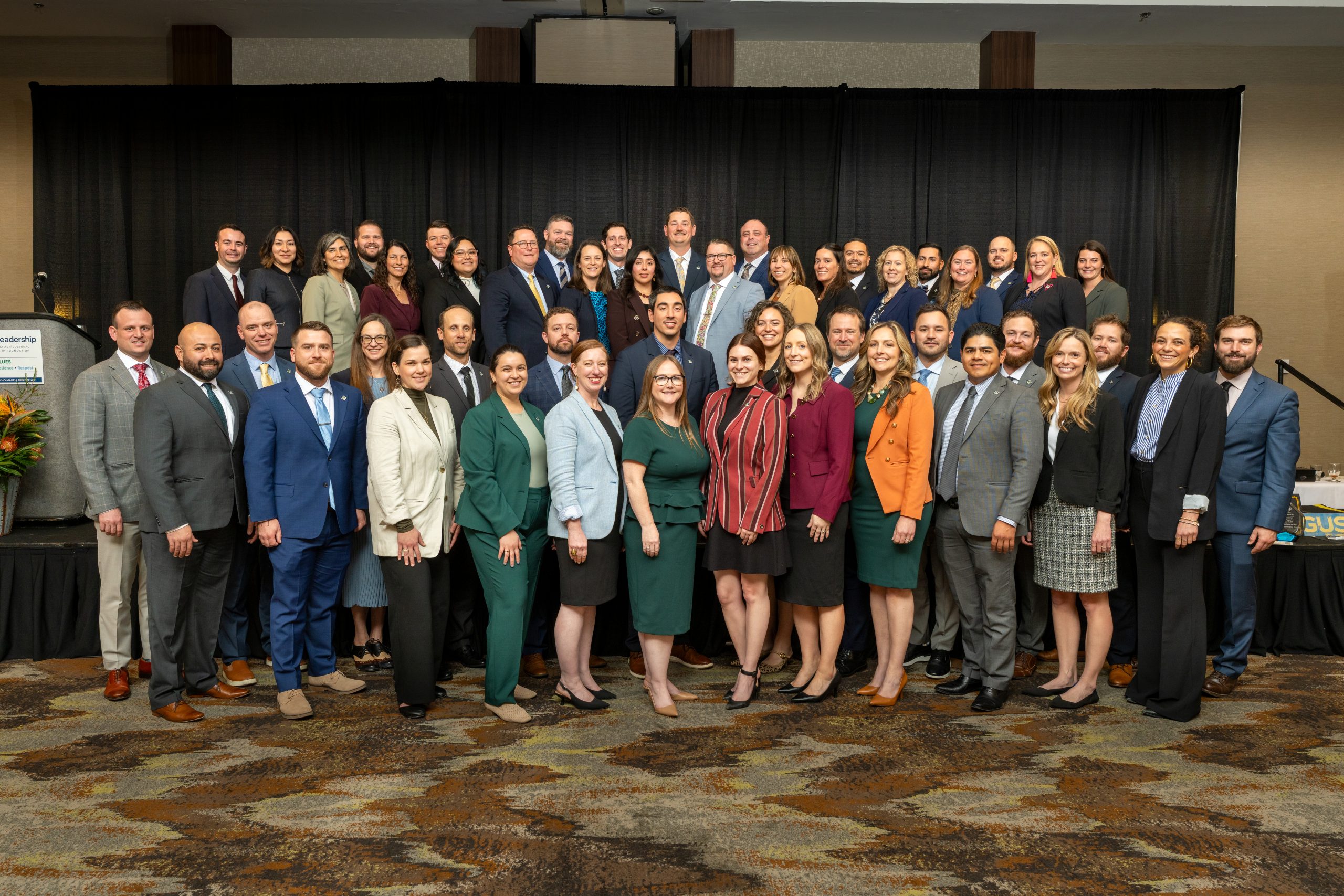
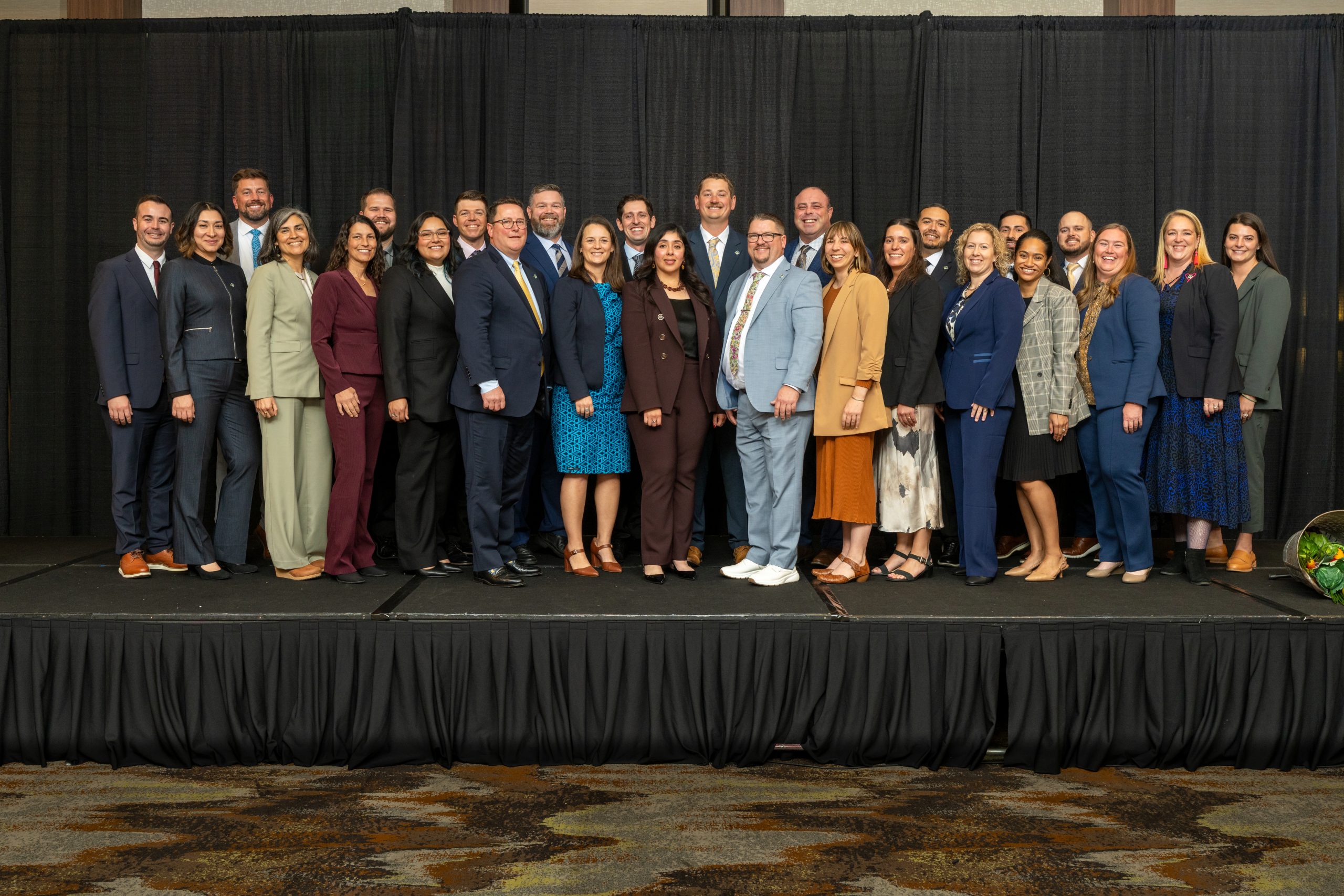
Jake, Janeth, Kelly and Class 54
3 Responses
As you were describing the economic disparity, it totally took me back to what we experienced on our international trip in Cartagena. It was (and is still) so hard to reconcile what were witnessed in my head. Thanks for sharing!
Great blog! Really enjoy hearing about your journey and experiences!
Dear C lass 54, Thank you for the posts. The tremendous learning experiences will last a lifetime..